
Hear from Our Customers
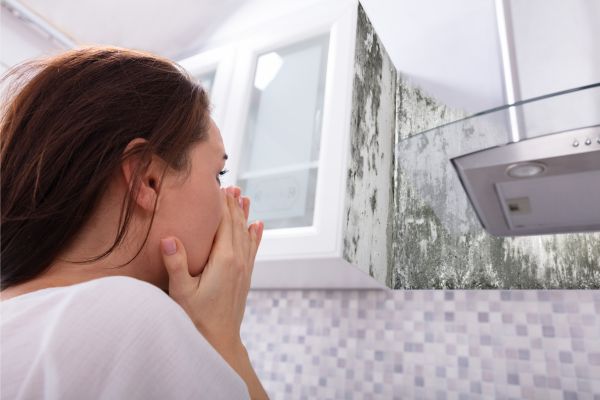
You’ve noticed the musty smell. Maybe some dark spots near the bathroom ceiling. Or your kids keep coughing and you can’t figure out why.
Here’s what most homeowners in Hinkletown don’t know: about 99% of companies offering “free mold inspections” also do the removal work. They’re checking your house, then quoting you the fix. That’s not an inspection – that’s a sales call.
Professional mold testing means someone shows up with no stake in what they find. We test your air. We swab your surfaces. We send samples to an independent lab. Then we hand you results and tell you what’s actually happening.
If you’ve got a problem, you’ll know what kind and where it’s coming from. If you don’t, you’ll have documentation proving your home is fine. Either way, you’re making decisions based on science instead of someone’s estimate.
That’s the difference between guessing and knowing.
We’ve been testing homes across Bucks County and surrounding areas for over 20 years. We’re IICRC certified, which means we follow actual protocols – not just best guesses.
Here’s why that matters for you: we don’t do remediation. We only test. That means when we walk through your Hinkletown home, we’re not looking for a job – we’re looking for mold.
Most homes in Hinkletown were built in the 1980s and 1990s. That’s the sweet spot where building materials start breaking down, roof flashing fails, and basement moisture becomes a real issue. We’ve seen it hundreds of times. We know what to look for, where water hides, and how mold spreads in homes like yours.
You’re not getting a rookie with a moisture meter. You’re getting someone who’s tested thousands of properties and knows the difference between surface mildew and a hidden problem that needs attention.
First, we talk. You tell us what you’ve noticed – smells, stains, health symptoms, water damage, whatever brought you here. That conversation shapes where we look and what we test.
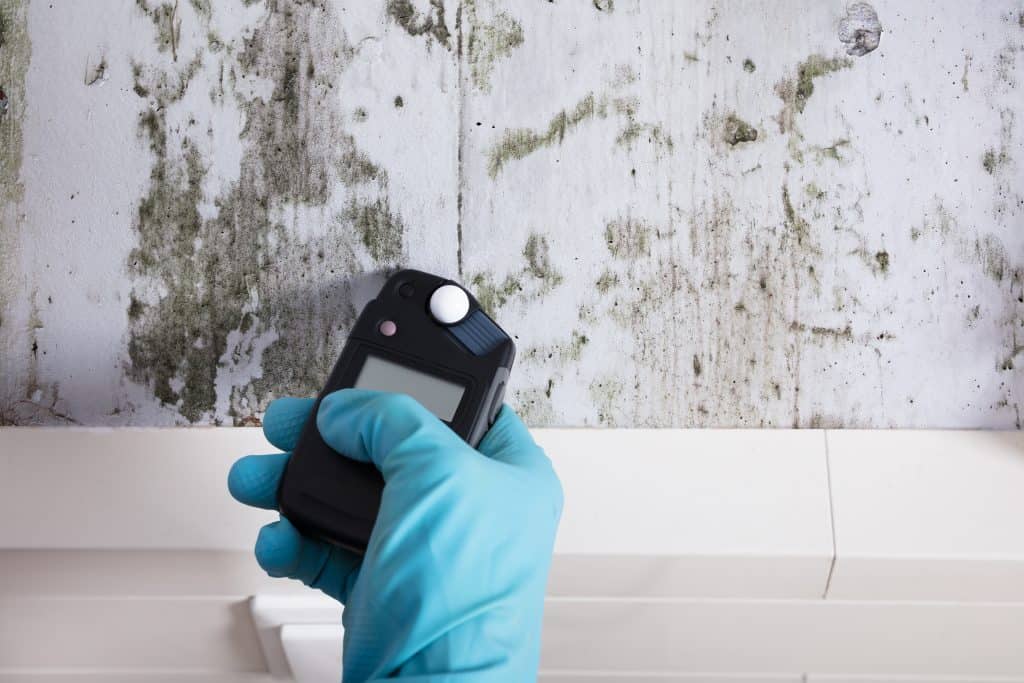
Then we walk your property. We’re checking obvious spots like bathrooms and basements, but also places most people miss – behind appliances, inside HVAC systems, around windows where condensation builds up. We use thermal imaging to find hidden moisture, because where there’s moisture, mold follows within 24 to 48 hours.
Next comes sampling. We pull air samples from different rooms to measure spore counts. If we see visible growth, we take surface samples to identify the species. Not all mold is dangerous, but some types – like black mold – need immediate attention.
Those samples go to an independent lab. Within a few days, you get a report showing exactly what’s in your air, how much of it, and whether it’s above acceptable levels. We walk you through what it means in plain language.
If there’s a problem, we explain what’s causing it and what needs to happen next. If your levels are normal, we tell you that too. No drama, no upsell – just facts.
Ready to get started?
A professional mold testing service starts at around $300 in the Hinkletown area. That includes a comprehensive visual inspection, moisture detection with professional-grade tools, and two air samples sent to a certified lab.
Here’s what that covers: we’re looking at your entire property, not just the room where you saw something suspicious. Mold spreads. If you’ve got growth in your basement, spores are traveling through your HVAC system into bedrooms upstairs. We test multiple areas to understand the full picture.
You’re also getting documentation that holds up. If you’re buying or selling a home in Hinkletown, professional mold testing gives you leverage. If you’re filing an insurance claim after a burst pipe or roof leak, lab results make your case. If you just want to know whether your family is safe, you’ll have a definitive answer.
Pennsylvania doesn’t regulate mold testing the way some states do, which means anyone can call themselves an inspector. We’re certified, insured, and we’ve been doing this since before most companies existed. That experience matters when you’re trying to figure out whether that dark spot is mold or just dirt.
Hinkletown’s housing stock and climate create specific challenges. Older homes, high humidity in summer, freeze-thaw cycles in winter – it all adds up. We understand how mold behaves in this area because we’ve tested hundreds of properties just like yours.
You’re not overreacting if you’re noticing symptoms. Persistent musty odors, visible discoloration on walls or ceilings, unexplained respiratory issues, or recent water damage are all legitimate reasons to test.
Here’s a practical way to think about it: if you can see mold, you don’t necessarily need testing to confirm it’s there – you need removal. But if you’re experiencing health symptoms with no visible source, or if you’ve had water intrusion and want to confirm it didn’t create a hidden problem, testing gives you clarity.
Many Hinkletown homeowners test after buying an older property, after a flood or leak, or when they’re preparing to sell. Some test because their kids developed asthma and doctors can’t pinpoint why. Those are all smart reasons to get professional eyes on your property.
The test itself is non-invasive and takes about an hour. If it rules out mold as the problem, you’ve spent $300 to eliminate a major worry. If it confirms an issue, you’ve caught it before it became a $10,000 remediation job.
A free inspection is usually a visual walk-through by a remediation company. They’re looking for work. They’ll often find problems – whether they exist or not – because that’s how they make money.
Paid professional mold testing means independent lab analysis. We collect air and surface samples, send them to a certified lab, and give you scientific results showing spore types and concentrations. You’re paying for objectivity.
Here’s why that matters: several states are making it illegal for companies that do mold removal to also perform inspections. New Jersey and Pennsylvania are moving in that direction because the conflict of interest is obvious. If someone profits from finding mold, they’re incentivized to find it.
When you hire us for testing, we’re not bidding on the remediation work. We test, we report, and we explain your options. If you need removal, you can hire whoever you want. Our only job is giving you accurate information.
That independence is worth paying for, especially when you’re making decisions about your family’s health or spending thousands on remediation.
The inspection itself takes about 45 minutes to an hour, depending on your property size. We’re walking through your home, taking moisture readings, collecting air samples, and documenting anything suspicious.
Lab results typically come back within three to five business days. The lab is analyzing spore counts, identifying species, and comparing your levels to outdoor baselines. That process takes time because it’s actual science, not a guess.
Once we receive results, we’ll call you within 24 hours to walk through what they mean. You’ll get a written report showing exactly what was found, where concentrations are high, and whether action is needed.
If you’re in a time crunch – say, you’re closing on a house or dealing with a health emergency – let us know upfront. We can sometimes expedite lab processing for urgent situations. Most Hinkletown homeowners are fine with the standard timeline, but we understand that some situations need faster answers.
The waiting is the hardest part for most people. You want to know now. But rushing the science doesn’t help anyone, and bad information is worse than no information.
It depends on what caused the potential mold problem. If you’re testing because of a covered event – like a burst pipe, roof leak, or storm damage – many insurance policies will cover testing and remediation.
If you’re testing because of long-term moisture issues, poor ventilation, or general maintenance problems, insurance typically won’t cover it. Mold resulting from neglect or gradual damage usually falls outside standard homeowner policies.
Here’s what we recommend: call your insurance company before scheduling a test. Ask specifically whether mold testing and remediation are covered under your policy, and under what circumstances. Get that answer in writing if possible.
If you do file a claim, professional lab results from an independent testing company carry more weight than a free inspection from a remediation company. Insurance adjusters know the difference. They’re more likely to approve a claim when you have unbiased documentation showing exactly what’s present and how severe it is.
Even if insurance doesn’t cover testing, the $300 to $400 you spend upfront could save you thousands by identifying problems early or confirming that expensive remediation isn’t necessary.
The most common types we find in Hinkletown properties are Cladosporium, Penicillium, Aspergillus, and Stachybotrys – which most people call black mold.
Cladosporium typically shows up on wood surfaces, in HVAC systems, and around windows. It’s usually olive-green or brown. Penicillium is the blue-green mold you see on old food, but it also grows on water-damaged materials like drywall and insulation.
Aspergillus is extremely common and comes in multiple colors. Some strains are harmless, others produce toxins. That’s why testing matters – you can’t identify dangerous strains by looking at them.
Stachybotrys is the one everyone worries about. It’s black or dark green, slimy when wet, and grows on materials with high cellulose content like drywall and wood. It thrives in consistently wet environments. If you’ve had ongoing water problems in your basement or after a roof leak, this is what we’re checking for.
Hinkletown’s climate and housing stock create ideal conditions for mold growth. Older homes with poor ventilation, basements that get damp, and HVAC systems that haven’t been maintained – these are the perfect breeding grounds. Testing identifies which species you’re dealing with so you know whether you need immediate remediation or just better moisture control.
You can, but you probably won’t get useful information. Most DIY mold test kits detect the presence of mold spores – which exist in every home, everywhere, all the time. Finding spores doesn’t tell you whether you have a problem.
What matters is the type of mold and the concentration. A professional test measures spore counts per cubic meter of air and compares them to outdoor levels. If your indoor counts are significantly higher than outside, or if you’ve got toxic species present, that’s actionable information.
DIY kits can’t tell you that. They’ll confirm that mold exists – which you already knew – but they won’t tell you if it’s dangerous or where it’s coming from.
The other issue is sampling technique. Where you place the test, how long you run it, and how you handle the sample all affect accuracy. We use calibrated equipment and follow standardized protocols. That’s what makes results reliable enough to base decisions on.
If you’re trying to save money, we understand. But spending $20 on a kit that gives you vague results just delays the real answer. You’ll end up calling for professional testing anyway, and by then the problem may have spread. Starting with accurate testing saves time, money, and worry in the long run.
Other Services we provide in Hinkletown